1–2
Diagnose
We walk the floor, read the data, and interview the people who actually do the work.
About
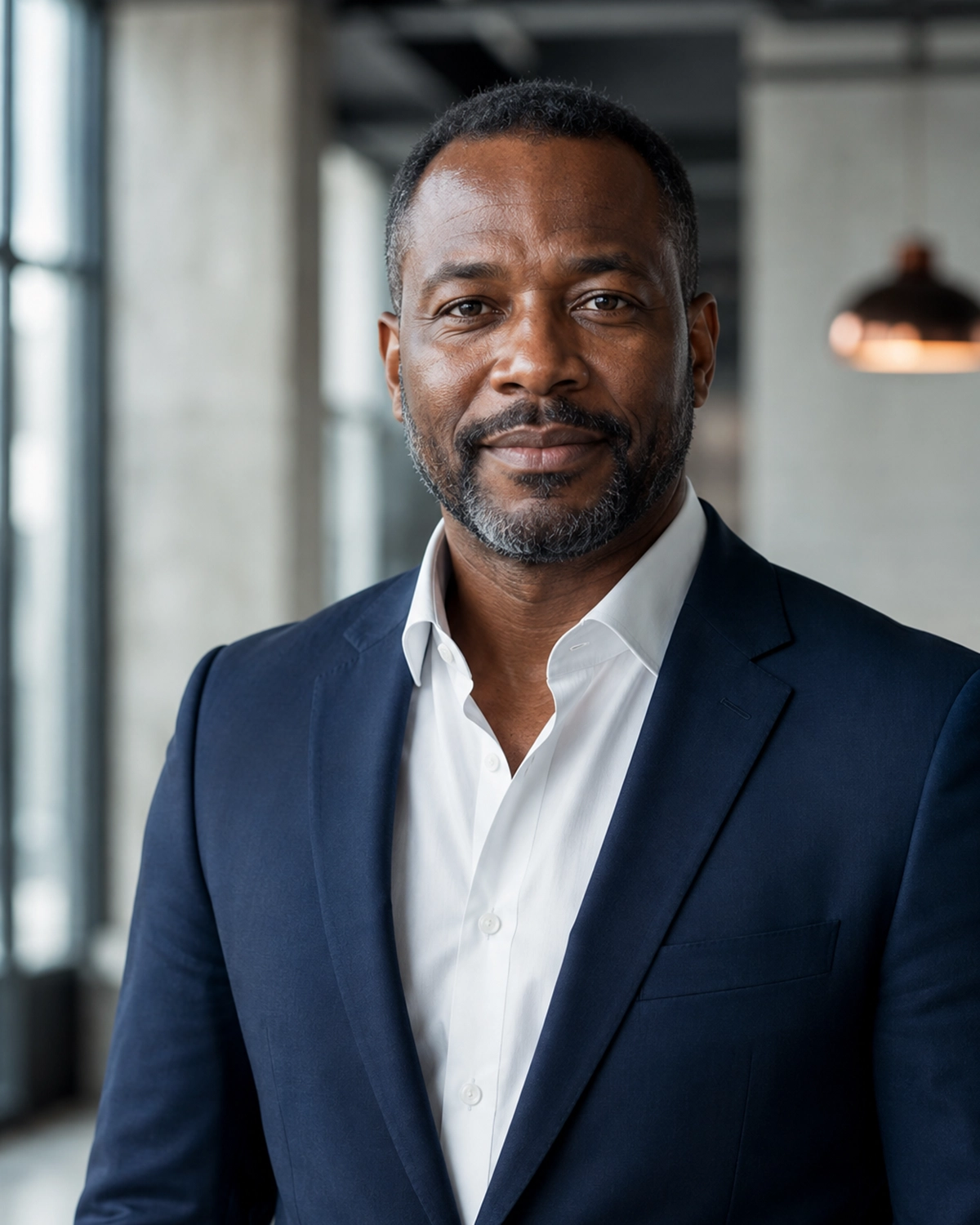
This practice exists because too much operations consulting is done by people who have never had to explain a missed shipment to a customer.
I spent twelve years in operations before I advised anyone. Plant supervisor, then distribution manager, then VP of Operations at a regional food manufacturer that grew from $30M to $140M in six years — most of it messier than the case study version.
What I learned in that growth is the basis of the practice: the constraint moves. Fix throughput and it becomes an inventory problem. Fix inventory and it becomes a scheduling problem. Companies stall because they keep solving last year's constraint.
How engagements run
We walk the floor, read the data, and interview the people who actually do the work.
Every problem gets a number attached. If we cannot size it, we do not recommend it.
Alongside your team, in your systems. No parallel process.
Documentation, training, and a measurement routine your managers can run without us.
Principles
An engagement that cannot end is a dependency, not a result. Every project has a defined handover.
We do not run your operation. We help your managers see it clearly and change it — so the improvement survives our departure.
Every recommendation carries a quantified impact and a way to measure it. If we cannot size it, we will tell you that too.